水從哪裡來,熱從哪裡來,村子得到什麼
Where the water comes from, where the heat comes from
and what the village gets
海拔 3,397 公尺,沒有天然氣管線,冬天路會斷,運進來的每一包水泥都要靠車。 在這種地方蓋房子,「永續」不是形容詞,是能不能撐過冬天的問題。
At 3,397 metres there is no gas main, the road closes in winter, and every bag of cement has to be driven in. Building here, “sustainable” is not an adjective, it is the question of whether the place survives the winter.
設計由 SMA(Sustainable Mountain Architecture)負責,一支長期在尼泊爾高山與國家公園工作的非營利建築團隊, 2025 年以永續石造建築獲得法國 Global Materia Award。
The design is by SMA, Sustainable Mountain Architecture, a non-profit practice that has worked for years in Nepal's high mountains and national parks, and which received the Global Materia Award in France in 2025 for sustainable stone architecture.
「我在拉達克、西藏,還有瑪南這些高海拔地區都看到同樣的情況: 現在的開發太急了,帶進來的基礎建設其實不適合當地的生態,也不適合人的健康。 我真心相信,山岳建築的方式能讓當地人看到:這些建築是真正屬於這片土地的,是真正環保的。 日照、熱能、太陽能,每一個環節都經過仔細的評估與計算。」 “In Ladakh, in Tibet, and also in Manang, these high-altitude areas, we are rushing to bring infrastructure that is not suitable for the ecosystem, not suitable for health. I truly believe this mountain architecture concept can offer the local people to see that everything about those architecture is actually very much local, very much eco-friendly. Heat and everything is well surveyed, well calculated, something solar related.” 噶奇美多傑仁波切 · 柏克萊大學 · 2026-04-22 Chimi Dorjee Rinpoche · UC Berkeley · 22 April 2026
SMA 的三個原則
SMA's three principles
整個園區的水,是一條從山上走下來的渠
The campus water is a channel that walks down from the mountain
SMA 為園區做了一套水系總規劃(Watershed Master Plan): 從山上的取水點開始,以石砌水渠(aqueduct)順著地形引下來,經過瑪尼牆、 跨過小橋,分成東渠與 Grand Café 旁的那條水流,最後進入園區的濕地與月池。 全程靠重力,不靠抽水。
SMA drew a watershed master plan for the whole campus: from an intake up the mountain, stone aqueducts follow the terrain down past the mani wall, across a small bridge, splitting into the east canal and the stream that runs beside the Grand Café, and finally into the wetland and moon pond on the site. All of it runs on gravity. Nothing is pumped.
熱水另成一套分散式系統:太陽能集熱器加上銅管鍋爐, 燃料用蕎麥殼,村子自己種蕎麥,殼本來就是要處理掉的東西。 蓄水槽埋在地下並做保溫,管線也走地下,冬天不會凍裂。
Hot water is a separate, decentralised system: solar collectors plus a copper-pipe boiler, fired with buckwheat husk, the village grows buckwheat, and the husk is waste it already has to deal with. The tanks are insulated and buried, and the pipes run underground so they do not freeze and split in winter.
用過的水不是直接排掉。灰水(洗滌與盥洗用水)經回收後再利用, 這是第一期「水利與基礎設施」那一筆錢裡的項目之一。
Used water is not simply discharged. Greywater, from washing and washbasins, is recovered and reused. It is one of the items inside the Phase I line for water and infrastructure.
Grand Café 冬天會自己變小
The Grand Café shrinks itself in winter
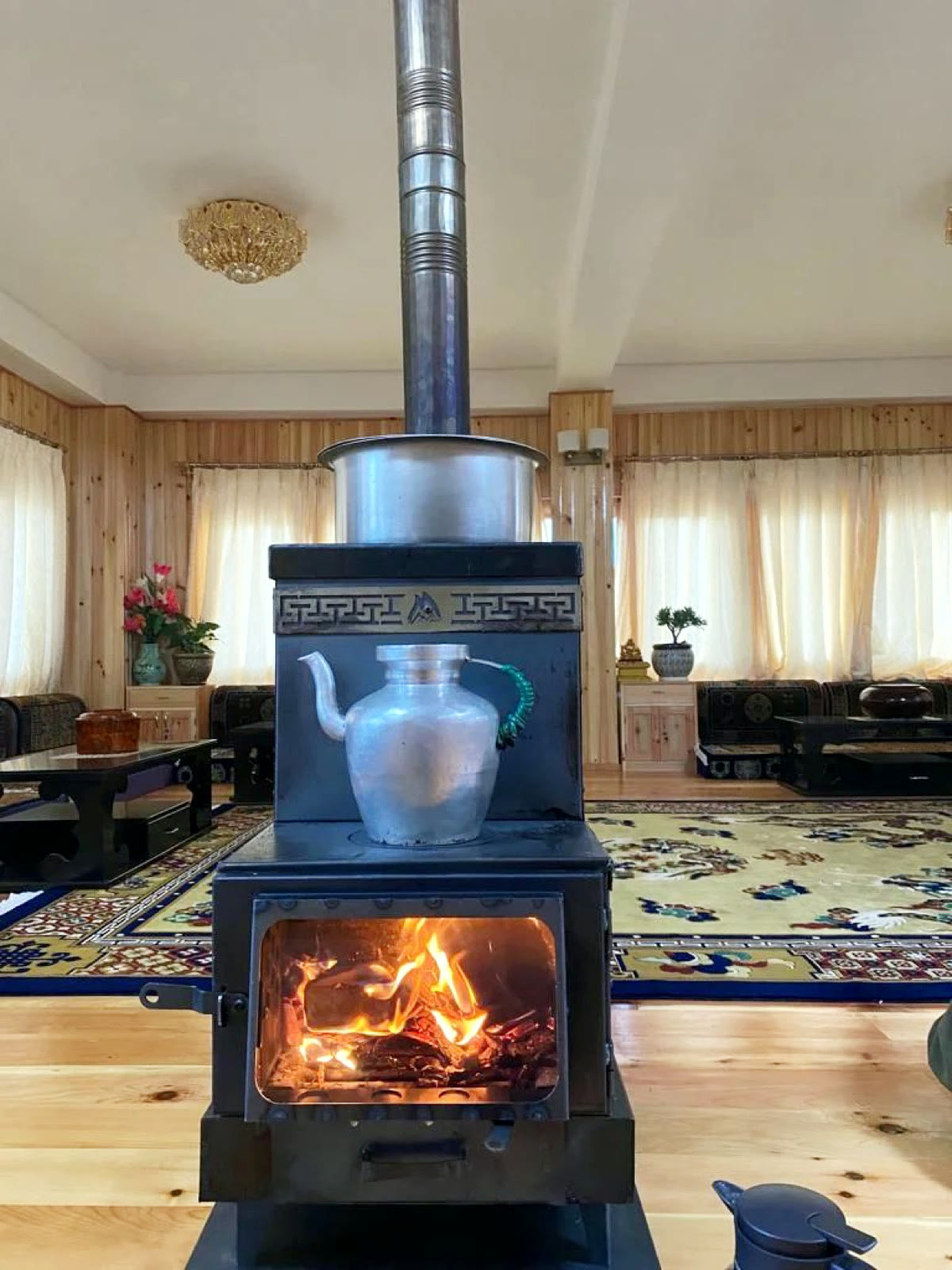
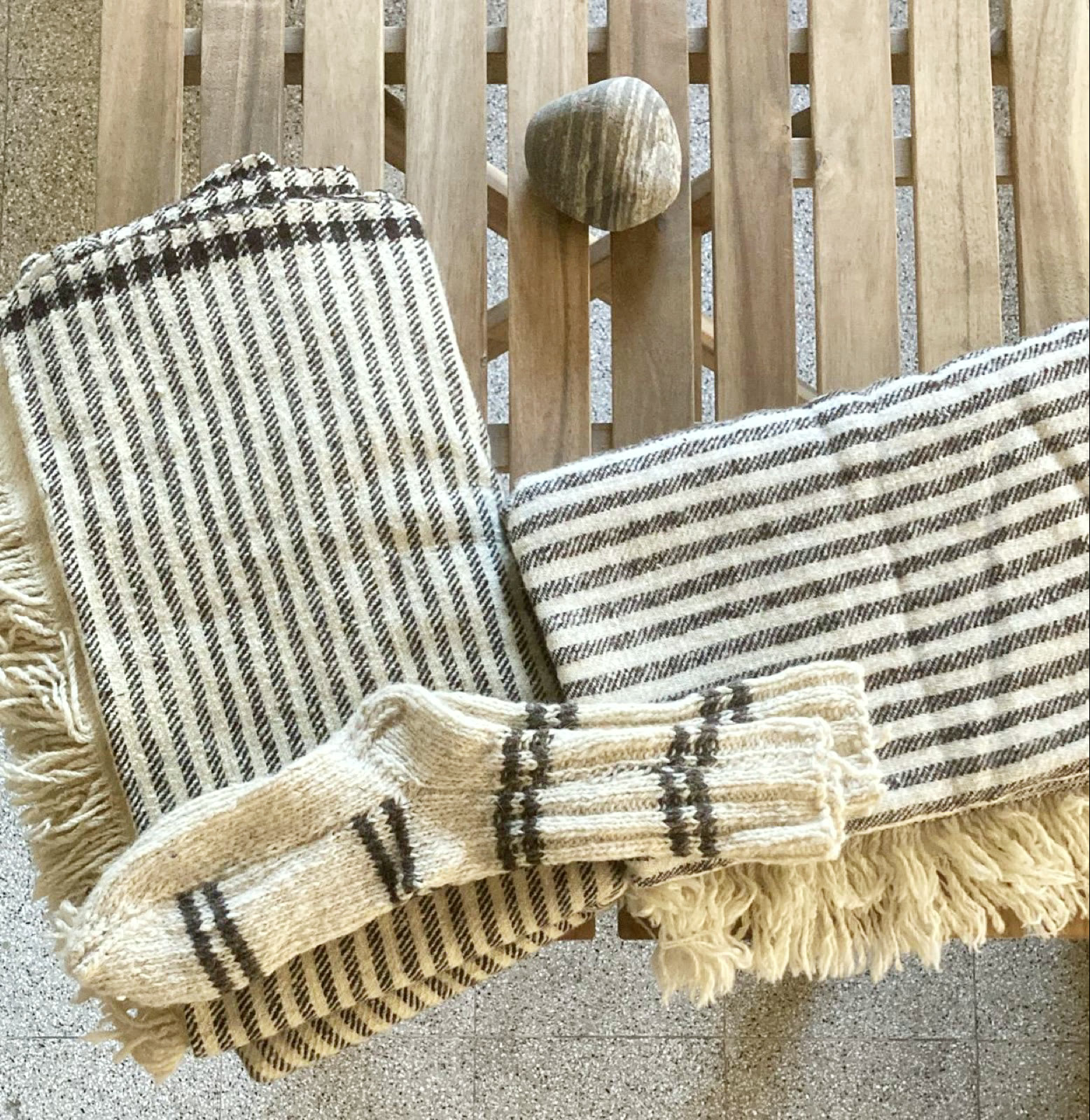
同一棟房子,夏天是敞開的長屋;冬天把重簾放下來,室內體積縮到不到一半, 一座爐子就足以顧住整個空間。沒有暖氣機,沒有鍋爐房,也沒有柴油。
It is the same building: in summer an open hall; in winter the heavy curtains come down and the volume of heated space falls to less than half, so that a single stove is enough to hold the room. No heaters, no boiler room, no diesel.
二十一間閉關石屋用的是同一套邏輯:房子嵌進坡裡,背後就是山, 風打不到;窗開向冬陽,白天曬進來的熱由厚石牆存住,晚上慢慢放出來。
The twenty-one stone retreat cottages work the same way: set into the slope with the hill at their backs so the wind cannot reach them, windows facing the winter sun, and thick stone walls that hold the day's heat and give it back slowly at night.
在地的石頭,在地的手
Local stone, local hands
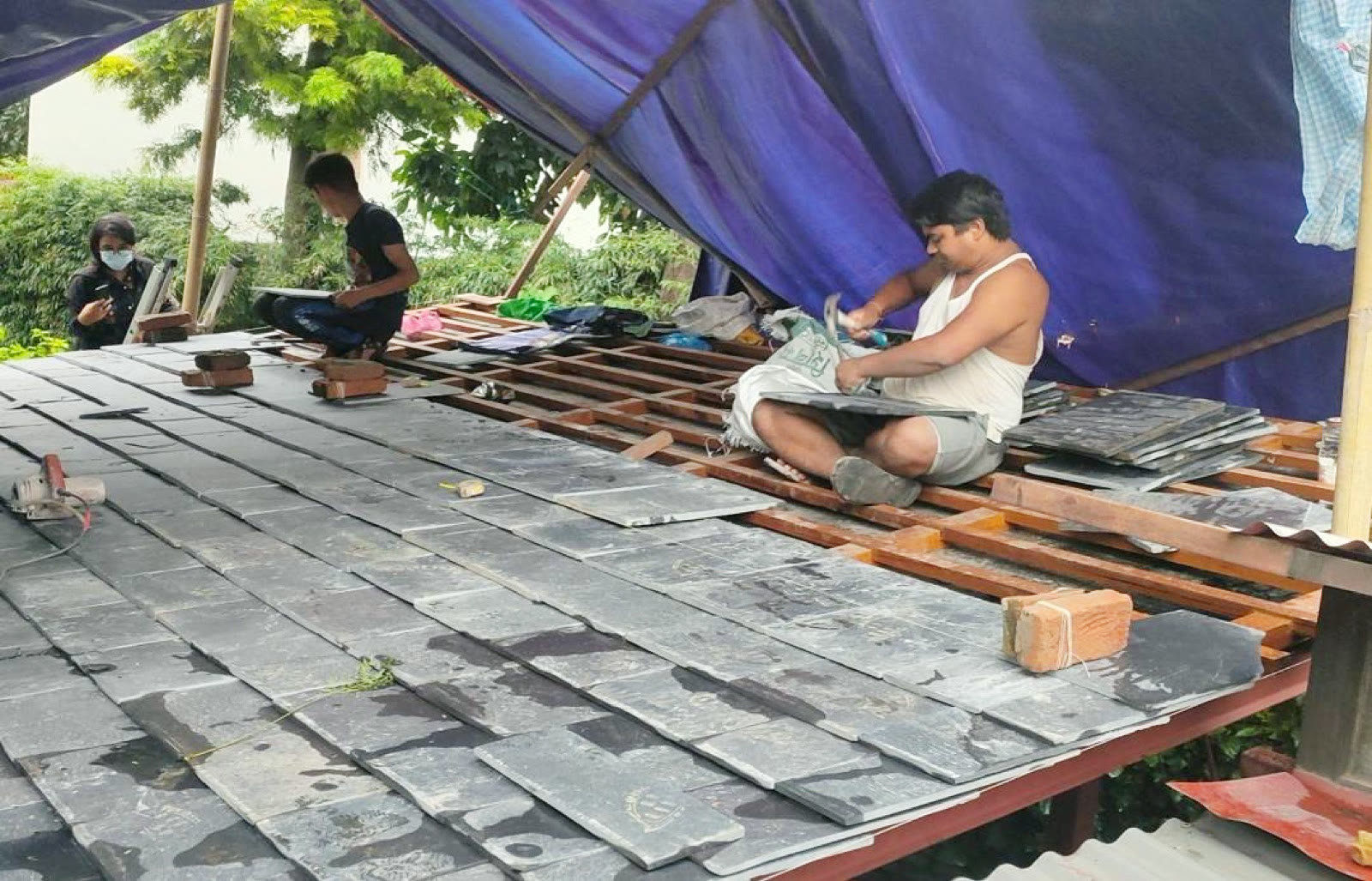
- 以石造為主。在地材料、在地工法、傳統工藝的再生運用。
- 洗手台用銅與黃銅,不用陶瓷。銅可以修、可以回收,陶瓷破了就是廢棄物。
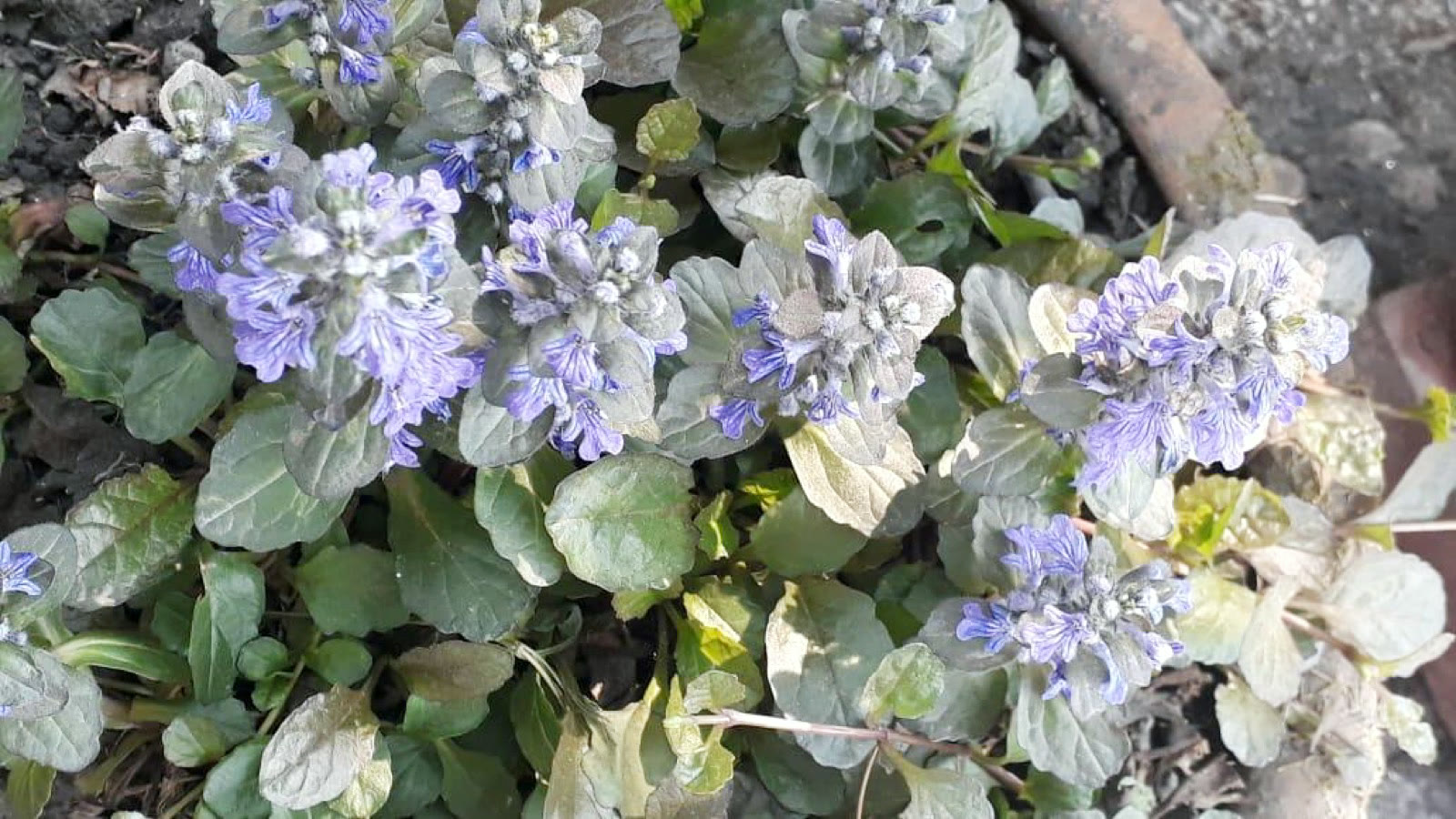
- 植栽用瑪南本地的植物,包含當地的藥用植物(如 Panch aunle)與高山野花, 不從山下運進外來種。
- Stone. Local materials, local methods, traditional craft put back to work.
- Washbasins in copper and brass, not ceramic. Copper can be repaired and recycled; broken ceramic is simply waste.
- Planting is Manang's own, local medicinal plants such as Panch aunle and high-altitude wildflowers, rather than species trucked up from below.
Grand Café 不是給閉關者用的餐廳
The Grand Café is not a retreatants' canteen
它一年之中有三種身分,而且是同一棟房子:
It has three roles across the year, in the same building:
- 有活動時,是團體閉關的廚房與餐廳。
- 其他時間,是村子可以用的地方,村裡沒有這樣一個大家能一起坐下來的空間。
- 全年,是安納普納環線上的登山客都能走進來的咖啡廳與社區中心。
- When there is a programme, it is the kitchen and dining hall for group retreats.
- The rest of the time, it is the village's own room, there is no other space here where people can sit down together.
- All year round, it is a café and community room that any trekker on the Annapurna circuit can walk into.
第三個身分是這棟房子將來的營運收入來源,也是村子的收入來源: 安納普納環線每年帶來上山的人,而 Kyung 村目前沒有任何一個他們會停下來的地方。
That third role is where the building's future operating income comes from, and the village's with it: the Annapurna circuit brings walkers up this valley every season, and Kyung has nowhere for them to stop.
大部分付給的是人的手,不是材料
Most of it pays hands, not materials
石頭在山上,木頭在山上,石板瓦也在山上。要花錢買的不是這些東西, 是把它們砌起來的工。地基那張估價單上,佔掉將近一半金額的是「石砌牆」這一項,一立方公尺 US$29,而其中大部分是工資。
The stone is here. The timber is here. The slate is here. What has to be paid for is not the material but the work of putting it together. On the foundation bill of quantities the single biggest line, nearly half the total, is stone walling, US$29 per cubic metre, and most of that is wages.
園區的長期營運僱用規模、以及 Grand Café 開始營運後對村子的年度收益, 目前還沒有可以公開的數字。有了就會放上來。
Figures for long-term local employment on the campus, and for what the Grand Café will return to the village once it is running, do not exist yet in any form we can publish. They will appear here when they do.
護持 Grand Café 的地基 Fund the Grand Café foundation